GPT-5-Codex Is Incredible! Tutorial on How to Use the Codex CLI in China
If you're just starting out with Codex, this article first gives you quick judgments on installation, the web version, and the CLI, then moves into hands-on practice.
For users who want to put Codex to work for coding, debugging, code review, and everyday productivity.
- First decide whether the web version or the CLI suits you better
- Then complete installation, login, and GitHub configuration
- Finally apply the usage methods by scenario
Codex is a rapidly changing product; cross-check the feature names and entry points in this article against the current version.
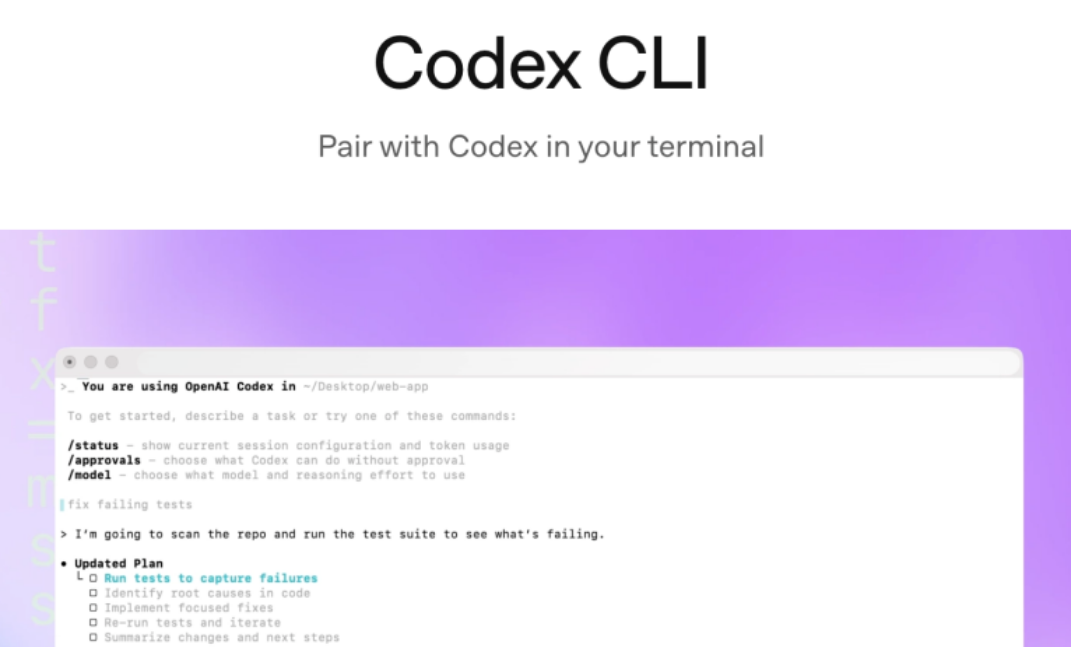
Recently, while using Codex for Vibe Coding, I found that the latest Codex updates have improved significantly! GPT-5-Codex's performance is as powerful as Claude Opus — bugs that had bothered me for a long time were easily solved today.
# Why did I suddenly start using Codex?
At first, Codex was slower to respond and less often recommended. But Claude Code has clearly gotten dumber recently — handling a single bug often takes multiple loops and still never gets fully resolved.
In the end, I still had to fix it manually via "old-school programming".
# What's new in the latest GPT-5-Codex update
Today's Codex has been optimized around the GPT-5 version, with significant improvements in handling complex tasks, building complete projects from scratch, adding features and tests, debugging, large-scale code refactoring, and code review!
GPT-5-Codex strictly follows user instructions and currently shows no signs of degraded intelligence.
To generate high-quality code, you only need to clearly describe the requirements — no lengthy explanations of code style or cleanliness needed.
GPT-5-Codex can work independently on large, complex tasks for over 7 hours!
# The difference between GPT-5 and GPT-5-Codex
If you call GPT-5 directly in the ChatGPT web version for programming, it hasn't been specifically optimized for that. We recommend using the Codex tool directly.
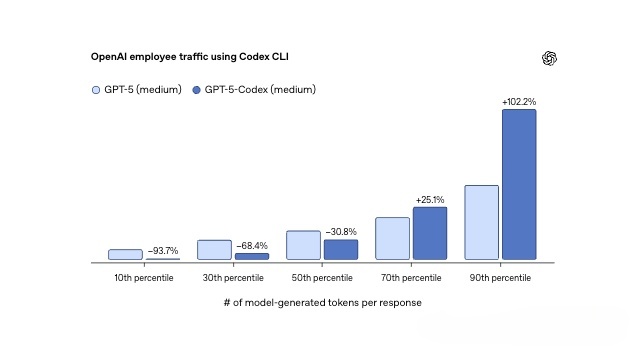
Because GPT-5-Codex thinks more deeply, spending twice the time on reasoning, code editing, testing, and iteration.
According to OpenAI employee data, for the user turns ranked in the bottom 10% by model-generated tokens (including hidden reasoning and final output), GPT-5-Codex uses 93.7% fewer tokens than GPT-5.
# Which users can use Codex?
Codex is currently limited to ChatGPT members, including Plus, Pro, Team, Edu, and other membership tiers.
If you don't know how to upgrade your ChatGPT membership, you can use the one-click upgrade system for China that I built with Codex — done within minutes.
GPT one-click upgrade system: https://gptplus.org.cn/ (opens new window)
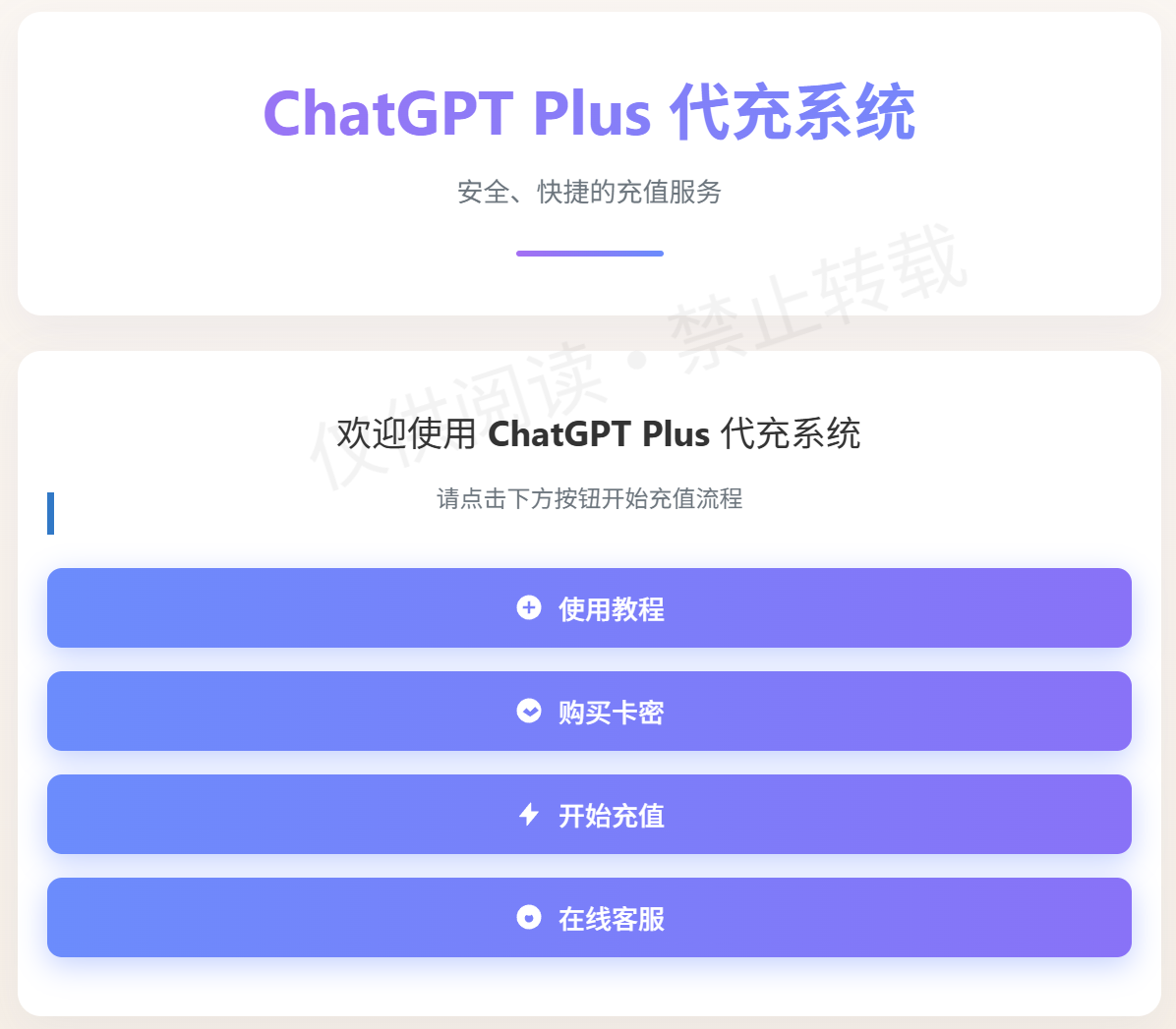
Especially suitable for beginners — no overseas credit card is needed to bind and top up your GPT account. It supports direct top-up to your GPT account, no password and no overseas virtual card needed, safe and fast.
# How to use Codex? A detailed look at the three ways
Ways to use Codex: the web version, IDE extensions, and the Codex CLI terminal.
GPT-5-Codex is designed for Codex CLI, Codex IDE extensions, the Codex cloud environment, and GitHub collaboration, and it also supports integration with multiple tools.
# Codex web version tutorial (for beginners)
The Codex feature in the ChatGPT web version suits beginners, avoiding the hassle of installation and authorization.
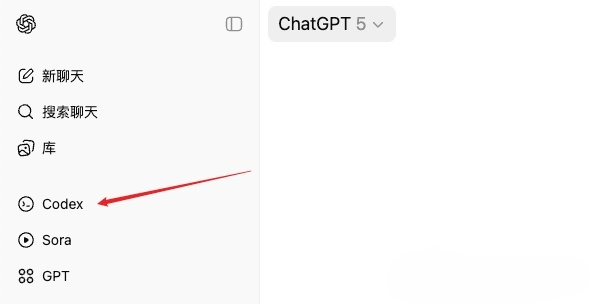
The web version requires connecting a GitHub account for easier source management.

If you already have a GitHub account, just click Continue and authorize. If you don't have one, quickly register with a Google email.
Next, create an environment, i.e., a GitHub repository. Users familiar with GitHub can proceed directly; if you're unsure, you can ask ChatGPT.
If you have no repository, create an empty one on GitHub, then refresh in Codex.

After selecting an environment, you can start coding. Note: when the repository is public, others can access it.
Now you can code directly on the web! For users who want to try it quickly, this is the most convenient option.
# Codex CLI installation and usage tutorial (for use in China)
Codex CLI officially supports macOS and Linux. Windows support is experimental; we recommend running it in WSL.
If you're a programmer or prefer local development, you can install the IDE plugin or Codex CLI.
Install it using your preferred package manager, such as NPM or Homebrew.
Before installing via NPM, make sure the NodeJS environment is installed (a detailed tutorial may come later, or you can ask GPT).
Install with npm:
npm install -g @openai/codexRun Codex by typing the following in the terminal:
codex
On first run, Codex CLI will prompt you for authentication.
We recommend logging in with your ChatGPT account first. Note: free users cannot use Codex.
If you're not a member, upgrade to Plus — there's a weekly usage limit, which is enough for normal use.
To upgrade your GPT membership in China, you can use the one-click upgrade system I built with Codex:
GPT one-click upgrade official site: https://gptplus.org.cn/ (opens new window)
This website and system were both built with Codex via Vibe Coding! If you're interested, you can visit and check out its beautiful design.
With the steps above, users in China can easily install and use the Codex CLI to boost their coding efficiency. GPT-5-Codex's powerful features will supercharge your development journey!